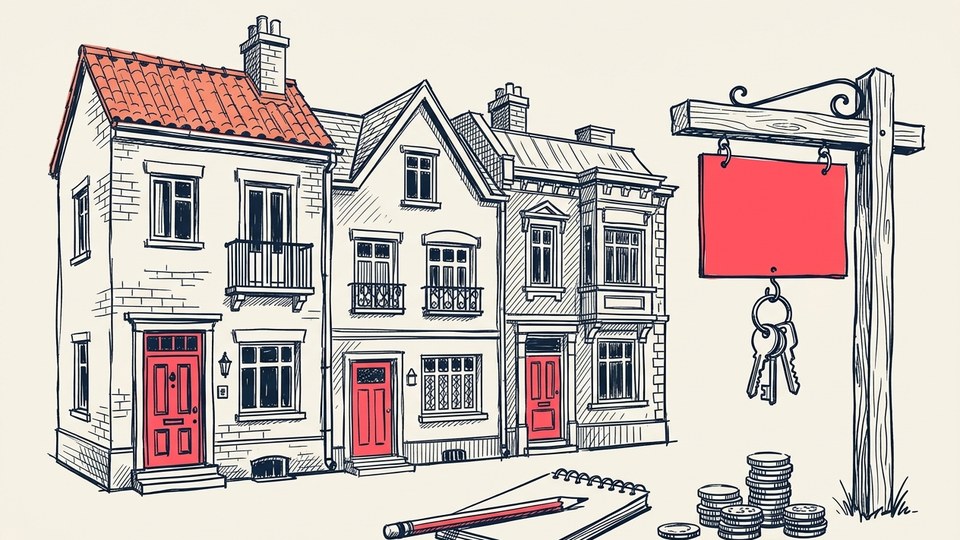
What the BRRR method is (and why people use it)
The BRRR method stands for Buy, Renovate, Rent, Refinance. It's a popular strategy for flipping homes that lets you generate cash flow while also building equity in a property. Instead of buying, fixing, and selling right away, you hold on to the property, rent it out, then refinance to pull your money back out and do it again.
Step 1: Buy a property
The first step is to find a property that's undervalued and needs work. This could be a fixer-upper, a foreclosed property, or even one that already has a tenant in it. The key is to buy it at a discount and make sure it has the potential to generate cash flow once you've finished the repairs.
Step 2: Renovate the property
Once you've found your property, make the necessary repairs and improvements. That might mean updating the kitchen and bathrooms, repainting, replacing flooring — whatever it takes to bring the property up to market standards so you can rent it out for top dollar.
Step 3: Rent the property
After the repairs are done, find a tenant and start collecting rent. The cash flow from rent helps offset the cost of the repairs and your mortgage payments. And while the tenant pays rent, they're also paying down your mortgage — which means you're building equity in the property.
Step 4: Refinance the property
The final step is to refinance the property. That means replacing your current mortgage with a new one, typically at a lower interest rate. When you refinance, you can pull out the equity you've built up through the rent payments and use it to invest in another property.
What to keep in mind
The BRRR method can be a great way to flip a home and generate cash flow while building equity. But success depends on finding a property you can buy at a discount and that has real potential to generate cash flow after repairs. By following these steps, you can use the BRRR method to build a profitable and sustainable real estate business.
It's also important to remember that flipping homes is a business. You need a solid plan and a good understanding of your local real estate market. It's always a good idea to consult with a legal and financial advisor before you start.