What this playbook covers
Refinancing gets pitched as a quick win — lower rate, lower payment, done. The Refinancing Playbook slows that down and shows you the actual decision: what you are trying to achieve, what it costs to get there, and how long before the savings are real.
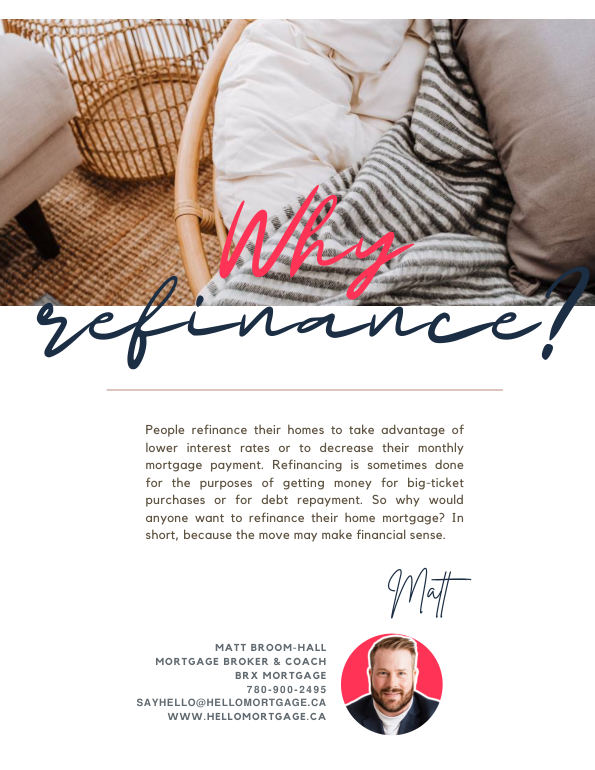
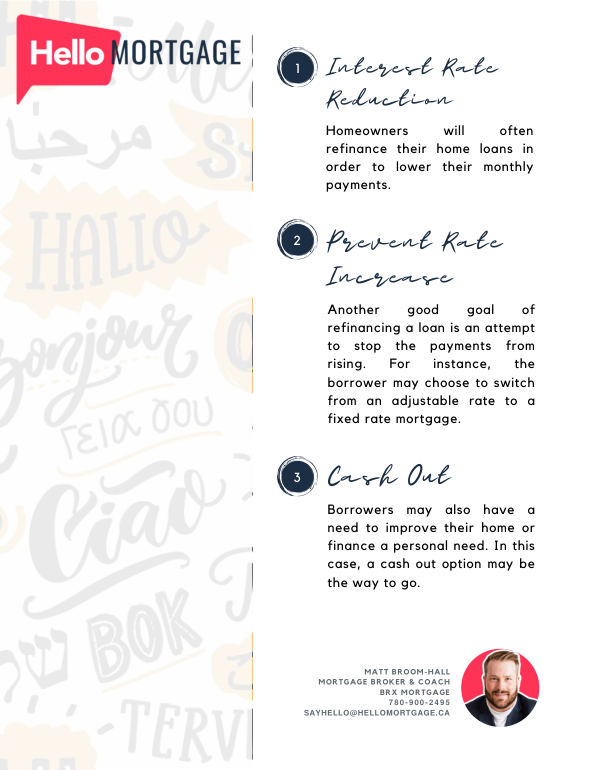
It walks through the six goals people refinance for (rate reduction, locking in before an increase, cash out, shortening the amortization, consolidating debt and renovating), the fees, penalties and credit checks to look at before you sign, how to calculate a break-even point, and an honest pros-and-cons list for a cash-out refinance.
What’s inside
- Why refinance? Six goals and which ones actually pay
- To refinance or not: the one-percent rule and when to ignore it
- Fees, penalties and credit — what to check before switching
- Changing the amortization: the trade-off between payment and payoff
- The break-even point and how to calculate yours
- The cash-out refinance: best candidates, pros and cons
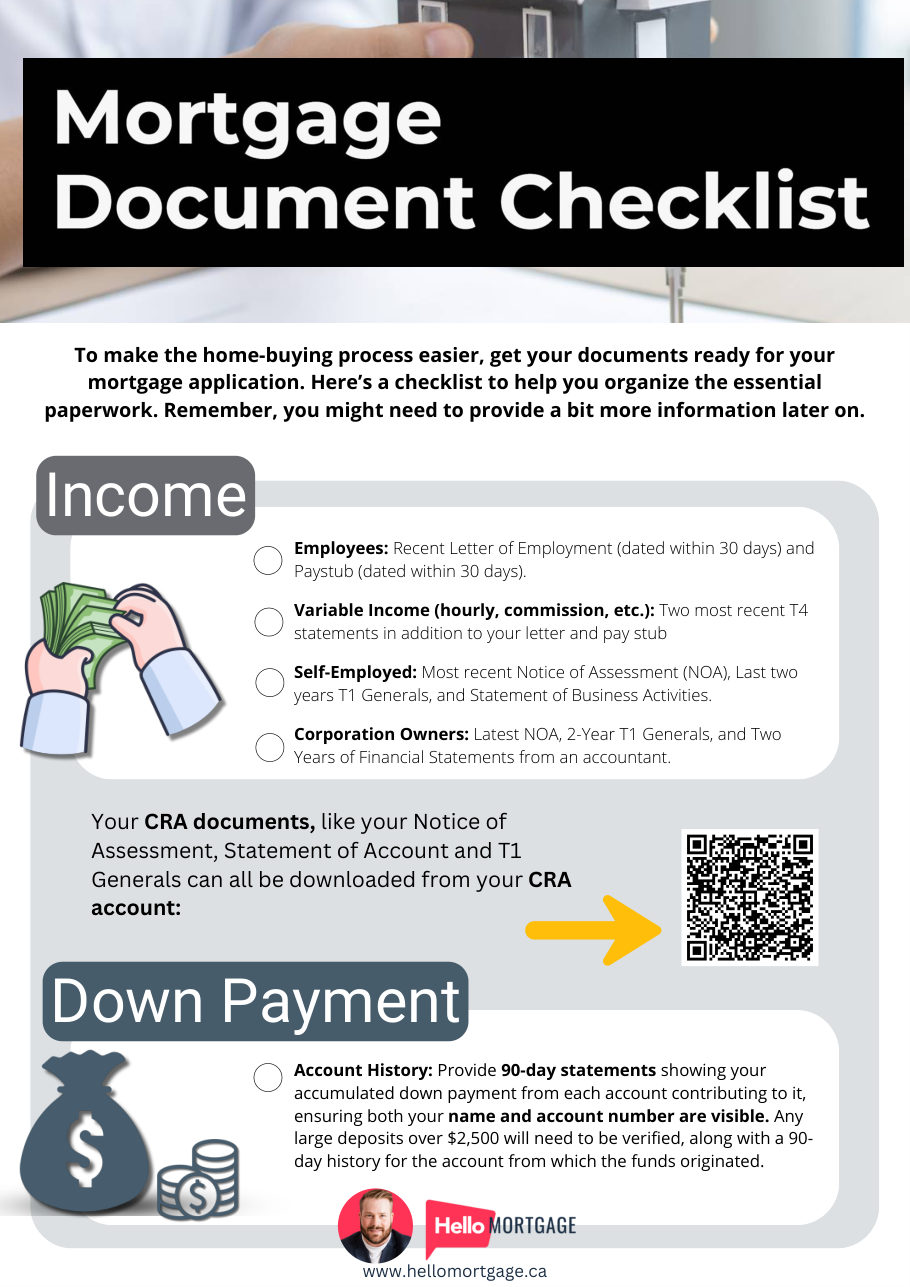
A look inside

Good questions
The old rule of thumb is one to two percent, but the real answer is the break-even point: when your accumulated savings exceed the penalty and fees. The playbook shows the calculation, and our refinance calculator runs it for you.
Variable mortgages are usually three months’ interest. Fixed mortgages are the greater of three months’ interest or the interest rate differential, which can be much larger. We get the exact number from your lender before you decide anything.
In Canada you can refinance up to 80% of your home’s appraised value. The playbook explains when cash-out makes sense and when a HELOC or second mortgage might be better.
It can save a lot of interest, but you are turning unsecured debt into debt secured by your home. The playbook lays out both sides, and we model the before-and-after monthly picture with you.