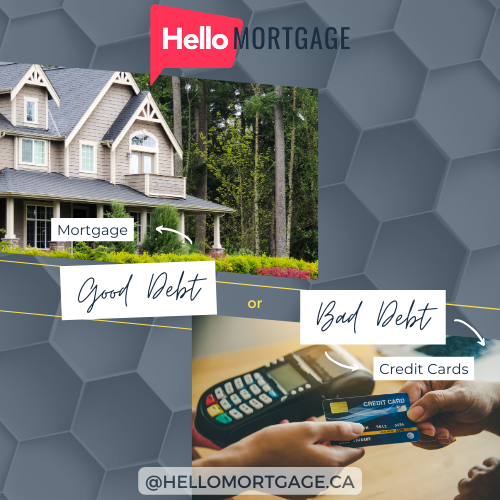
Two kinds of debt, two different outcomes
In personal finance, debt comes in two flavours: the kind that helps you build wealth over time, and the kind that just costs you money. Understanding the difference can help you make smarter borrowing decisions and avoid financial trouble down the road.
Good debt is an investment that's likely to grow in value or generate income. Bad debt finances things that lose value or don't produce anything. When you apply for a mortgage, lenders care deeply about which kind you carry — and how much.
Good debt: the three that help you get ahead
Good debt includes student loans, mortgages, and business loans. These are meant to help you reach long-term goals like earning a degree, owning a home, or launching a business.
Student loans help you gain knowledge and skills that boost your earning potential and career prospects. They can be expensive, but the long-term benefits of education typically outweigh the costs.
Mortgages let you invest in a home that's likely to grow in value over time. Homeownership offers stability, equity-building opportunities, and a sense of belonging. It requires a big upfront commitment, but the long-term financial rewards can be substantial.
Business loans give entrepreneurs the financial resources they need to create and grow their ventures. Starting a business carries risk, but a well-planned loan can pave the way to long-term success.
Bad debt: the three that drain your approval power
Bad debt finances purchases that won't grow in value or generate income. Examples include credit card debt, car loans, and payday loans. These often come with high interest rates and can quickly spiral out of control.
Credit card debt is common and costly. With high interest rates and easy access to credit, it's easy to fall into a cycle that's hard to escape.
Car loans may be necessary, but they're rarely a smart investment. Vehicles lose value over time, so you're unlikely to recoup what you paid. Car loans often carry steep interest rates and payments that strain your budget.
Payday loans are the most dangerous form of bad debt. They're designed to trap cash-strapped borrowers with sky-high interest rates and a cycle that's nearly impossible to break.
How lenders count your debt when you apply
When you apply for a mortgage, lenders scrutinize your credit history and debt balances. To improve your chances of approval, focus on building good debt and avoiding bad debt.
Here's exactly how lenders calculate each type of debt:
Credit Cards: 3% of balance
Unsecured Personal Lines of Credit: 3% of balance
Personal Loans and Vehicle Loans: Total monthly payment
Student Loans not in repayment: 1 to 3% of balance
Student Loans in repayment: Total monthly payment
Secured Line of Credit (HELOC): Balance spread over a 25-year period
Other mortgages: Total Principal and Interest payment
Three moves to keep debt working for you
First, create a budget and stick to it. Track your expenses and prioritize your financial goals so you can make informed borrowing decisions.
Second, educate yourself about loan terms and conditions before taking on any debt. Don't borrow more than you can realistically repay.
Third, focus on building good debt and avoiding bad debt. This strengthens your overall financial health and moves you toward a more secure future.
What to do with this
Good debt and bad debt have very different effects on your financial future. Good debt can help you achieve long-term goals and improve your financial health. Bad debt can quickly lead to stress and hardship.
Before taking on any debt, weigh the purpose, the interest rate, and your ability to repay it. Debt can be a valuable tool when used wisely.
If you're thinking about a mortgage or refinance and want to understand how your current debt affects your approval, we can walk you through the numbers. Reach out and we'll map out exactly where you stand.