Why the house you pick matters more than the hammer you swing
Flipping houses means buying a place at a low price, fixing it up with some money and sweat, then reselling it down the road for a profit. It can be majorly rewarding—but only if you pick the right property from the start.
Jump at the first deal you see and you're asking for trouble. Before you buy, do your homework: research how flipping actually works in your market, identify the big risks, and plan around them. The following tips will help you spot the best houses to flip and skip the ones that'll drain your budget.
Research the market before you make an offer
Due diligence gives you a detailed understanding of your local real estate market. The ideal flip is in a thriving area—somewhere with rising sales or employment growth.
Research listings and foreclosures to find potential properties. You can find foreclosure listings on real estate company websites, in local papers, or through a bank. Once you've found a home, dig into the comprehensive background of the house and its location before you move forward.
Inspect the property (seriously)
Hire a professional to inspect the property and assess its structural condition. You don't want unpleasant surprises blowing up your renovation budget after you've already bought the place.
The inspection will also help you budget accurately for repairs—so you know what you're really getting into.
Look for homes you can improve quickly
Time is money. You need a house that will sell quickly once the work is done.
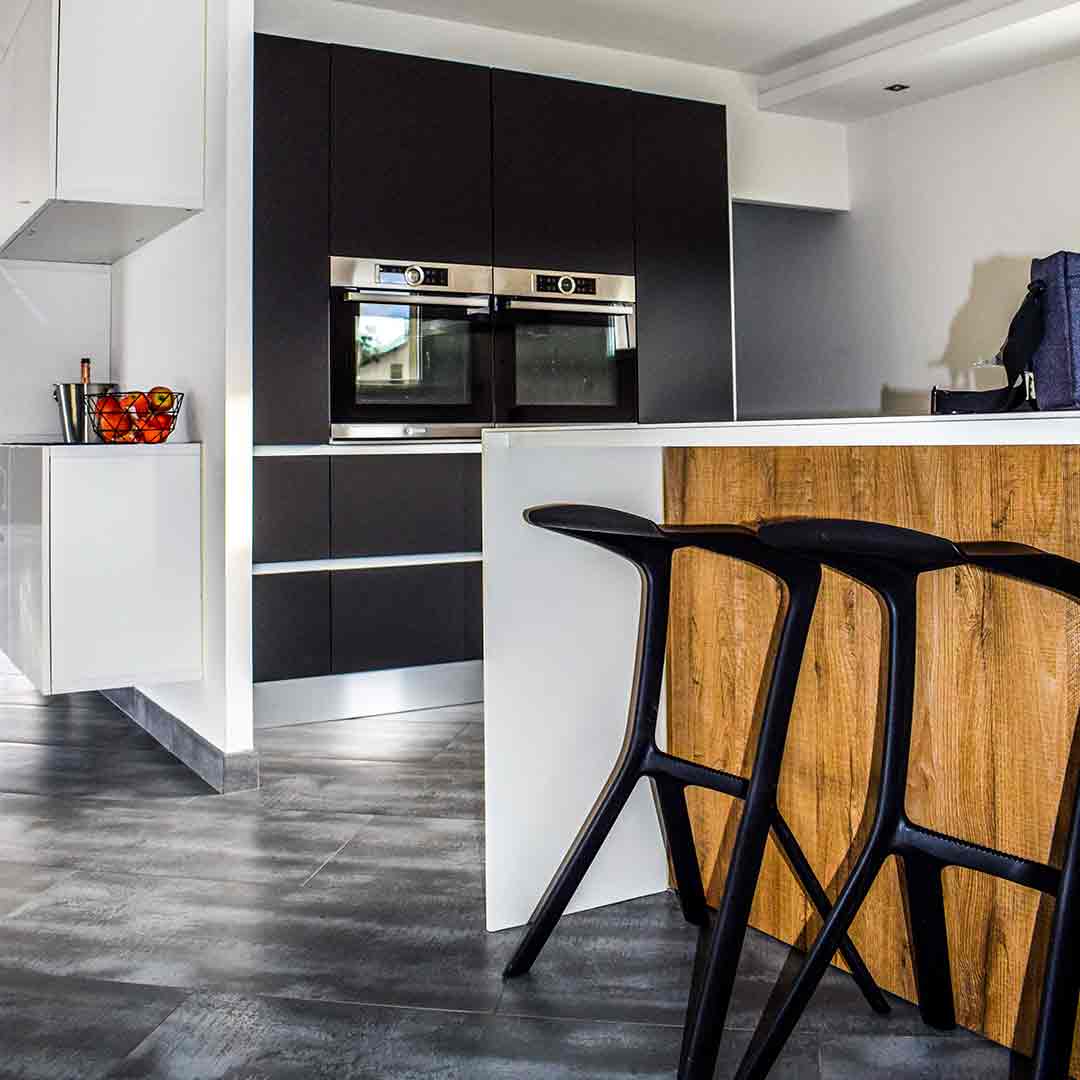
Focus on homes that need low-cost improvements: fixing the yard, recarpeting, installing hardwood floors, refinishing kitchen counters, repainting walls. These are relatively inexpensive projects, and they don't take long to transform a property.
Avoid homes with a poor foundation or bad roofing—those repairs can get costly fast.
Scout for a great location
To get a fruitful flip, pay close attention to what's surrounding the property. Look for an up-and-coming neighbourhood with new infrastructure developments like roads and shopping centres.
Other features that appeal to potential buyers include: a quiet neighbourhood (less traffic and noise from passing cars makes a location more desirable), proximity to public transportation for commuters (most people want quick access to work), proximity to amenities like good schools and hospitals, safety (you can use crime mapping services to find any crimes or offences in the area), and attractive views (mountains, downtown lights, a lake, or a golf course all add value).
Features that drag down retail value: busy roads, homes next to power lines, streets with unkempt lawns, and unsafe neighbourhoods.
Get the price right
The most important step in flipping a house is determining your costs and profit margin up front. Estimate the cost of repairs, including both closing costs and real estate commissions on the property.
The rule of thumb for a profitable return: you should only pay seventy percent of the after-repair value minus the necessary repairs. Try to buy the worst house in a great neighbourhood—it'll have higher retail value once you're done.
You can negotiate with the seller for a lower buying price and, in return, offer to cut them a share of the profit from the resale.
What to do next
Picking the right house is the key factor in bringing lucrative returns. When you're renovating, improve it just enough to make a healthy profit—and stick to your budget to avoid unnecessary upgrades.
Work with a real estate agent who knows the local market inside and out. They'll help you determine the right resale price and keep your flip on track from day one.