So you're thinking about buying a home
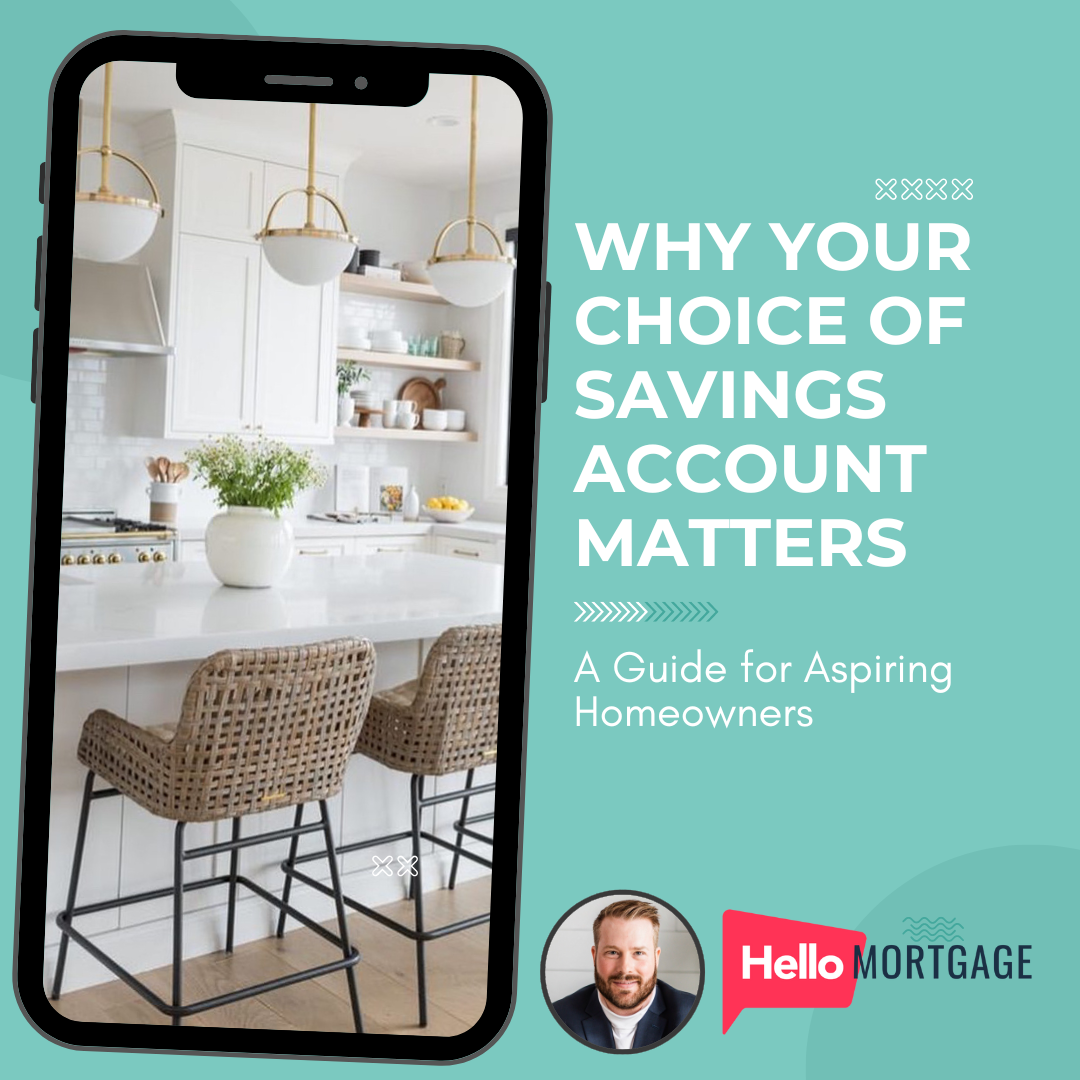
Buying a home is a major life milestone that requires careful planning and financial preparedness. One of the key factors is accumulating enough money for a down payment. But here's something a lot of people miss: the type of savings account you use can greatly influence how quickly you get there.
Why your savings account choice is a game-changer
Your choice in a savings account can make or break your timeline. Different accounts offer different interest rates, tax benefits, and investment options. Pick one that aligns with your saving timeline and financial situation, and you could be in your dream home in a couple of years instead of several.
Five types of savings accounts for your down payment
Regular Savings Accounts: Easy to set up and highly liquid, but they generally come with low interest rates. Best for short-term savings and as an emergency fund for home-related costs.
High-Interest Savings Accounts: Interest rates are often significantly higher than regular savings accounts, though you may face withdrawal limitations or fees. Best for medium-term savings where you want a better yield but still need some level of liquidity.
Tax-Free Savings Account (TFSA): Offers tax-free growth and the flexibility to withdraw money at any time without penalties. The catch is limited annual contribution room. Best for flexible saving and investment options, ideal if you might need to dip into your savings occasionally.
Registered Retirement Savings Plan (RRSP): Contributions are tax-deductible, and the account is designed for long-term growth. It's especially great if your employer also contributes to your RRSP and you can access those funds. Early withdrawals can have tax implications, except under the Home Buyers' Plan. Best for long-term investment and for those who plan to use the Home Buyers' Plan.
First Home Savings Account (FHSA): Offers the best of both worlds—tax-deductible contributions and tax-free withdrawals. You can contribute up to eight thousand dollars per year, up to a lifetime maximum of forty thousand dollars. Best for first-time homebuyers who want the tax advantages of both a TFSA and an RRSP.
How to decide what's right for you
Your choice should align with your financial goals, the time horizon for your down payment, and your risk tolerance. You can also mix and match these accounts to create a saving strategy that's customized to your needs.
What to do next
Choosing the right savings account is a significant first step in your home-buying journey. Take the time to evaluate your options and consult with a financial advisor to make the most of your savings and speed up your path to homeownership.