Investment Property Mortgage Alberta | Rental Financing That Pencils | Hello Mortgage
Mortgage Solutions · Alberta

Investment Property Mortgages in AlbertaRentals that actually pencil out.

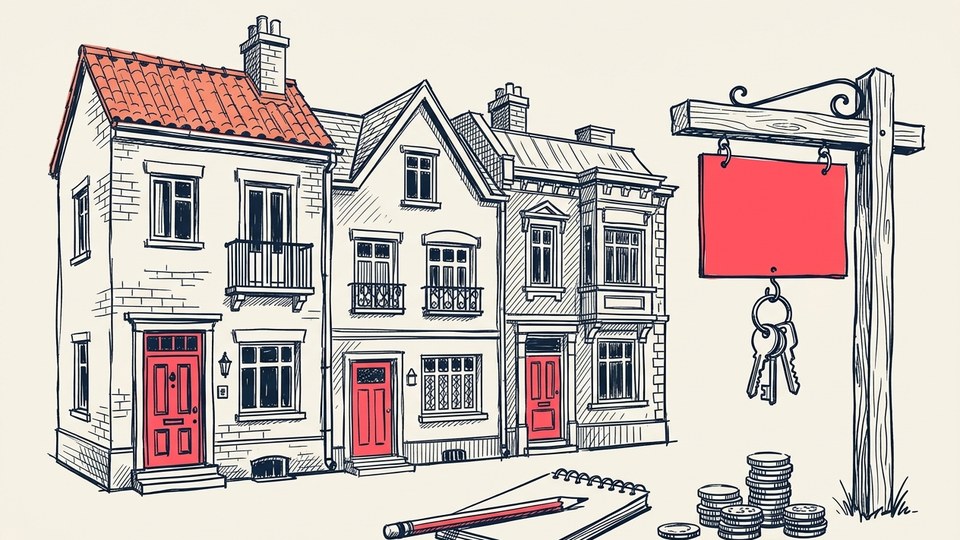
Buying a rental is a math problem before it's a real estate decision. We finance long-term rentals across Alberta—your first door or your third—and we run the numbers the way the lender will, before you write an offer. If it cash-flows, we'll show you how to fund it. If it doesn't, we'll show you that too.

Free conversation. Clear answers. Zero mortgage-speak.
Investment property mortgages in Alberta — rentals that pencil out

Alberta is one of the few places left in Canada where a normal person can buy a rental that pays for itself. Prices are reasonable, rents are strong, there's no rent control, and the tenant pool keeps growing. That's why we get the call: "I've got some equity and a bit saved. Could I buy a rental?"

Here's the honest version: rental financing is a different sport than buying your own home. The down payment is bigger, the rate is a touch higher, and the lender cares about one thing above all—does the rent carry the mortgage, or does your paycheque? We finance long-term rentals only: one to four units, held in your own name, with a real lease. No short-term rentals, no vacation flips—we say that up front so nobody wastes a weekend. Our sweet spot is investors building to a small, solid portfolio: your own home plus up to three rentals.

Below is everything we'd walk you through on a first call: how rental financing actually works, the math on a real Alberta rental, when a deal doesn't pencil (and what to do instead), how to grow from one door to three, and the paperwork that gets you approved. Numbers first. Mortgage-speak never.


What's the Deal?

How Rental Financing Actually Works

Three rules explain most of it: more down, a small rate premium, and the lender counting the rent. Everything else is detail.

01

The 20% Rule

A property you won't live in needs at least 20% down—there's no insured 5% option for pure rentals. The exception is the one a lot of Alberta first-time investors use: buy a duplex or a home with a legal suite, live in one part, and you can put as little as 5%–10% down because it's owner-occupied.

  • Where the 20% comes from: savings, a HELOC or refinance on your current home, or a documented gift. Borrowed down payments are fine on rentals as long as the payment is counted.
  • Amortization: up to 30 years on a 20%-down rental, which helps the cash flow.
  • Rate: expect roughly 0.10%–0.30% above owner-occupied pricing. Small, but it matters over five years, so we shop it.
02

How the Rent Counts

Lenders don't just add your rent to your income. Most use one of two methods, and the difference can decide whether you qualify.

  • 50% add-back: half the rent is added to your income; the full mortgage payment, taxes and heat count as debt. Simple, conservative.
  • 80% offset: 80% of the rent is subtracted from the property's costs first; only what's left counts against you. Much friendlier for cash-flowing properties—and the reason we pick the lender for the deal, not the other way around.
  • What proves the rent: a signed lease, or a market-rent appraisal for a vacant unit. Airbnb history doesn't count, which is one more reason we stick to long-term rentals.
03

Who This Is For

You don't need to be rich. You need stable income, decent credit, and a down payment. Most of our investors are regular working people who realized their home equity could buy a second asset.

  • The first-timer: owner-occupied duplex or suited house with 5%–10% down. Live upstairs, rent downstairs, learn the ropes with a safety net.
  • The equity mover: homeowner with $100,000+ of equity, refinancing or opening a HELOC for the 20% on a stand-alone rental.
  • The builder: one rental already, planning a second or third. Different lenders, same math—covered in "Not Your First Rodeo" below.
The comments · landlord edition

Everyone has a rental opinion. We read the comments.

Three things people say about buying a rental in Alberta, and what the lender's math actually says.

11:50100

hellomortgage.ca Rentals that actually pencil out. 🏠🏠🏠 What have you heard about buyi…

Comments

  1. cashflow.or.bust11h

    Rentals don't cash-flow anymore. Not at these rates.

    Reply
    hellomortgage.ca11h · Author

    @cashflow.or.bust Not in Toronto. This is Alberta. A $400,000 half-duplex in Edmonton renting for $2,300 runs roughly break-even after mortgage, taxes, insurance and a repair reserve—while the tenant pays down about $700 of principal a month. Thin cash flow, real equity. It doesn't work everywhere or on every listing, which is exactly why we run the one-page math before you write an offer.

    Reply
    yeg.duplex.dan11h

    @hellomortgage.ca 🙌 finally someone said it

    sherwood.park.sam11h

    @hellomortgage.ca 📈

  2. five.percent.phil8h

    Just put 5% down like a regular house.

    Reply
    hellomortgage.ca8h · Author

    @five.percent.phil You can—if you live in it. A property you won't live in needs 20% down, full stop. But buy a duplex or a suited house, live in one part, and 5%–10% down is on the table because it's owner-occupied. Live there a year, move on, keep it as a rental. It's the most capital-efficient first door in Alberta and most people don't know it exists.

    Reply
    stalbert.single.dad8h

    @hellomortgage.ca 🔥 house hack

  3. airbnb.andy5h

    Airbnb it. Way more money than a tenant.

    Reply
    hellomortgage.ca5h · Author

    @airbnb.andy Way more work, and no lender counts it. Short-term rental income can't be proven with a lease, most Alberta cities license it now, and lenders price it as a different risk—so it doesn't help you qualify and it's not something we finance. Long-term rentals with a real lease are what build a portfolio a lender will keep saying yes to.

    Reply
    calgary.condo.kate5h

    @hellomortgage.ca 👏 honest

    kp.northside5h

    @hellomortgage.ca 🙏

  4. hellomortgage.caPinned · Author

    Found a listing? Send it. Listing, asking price and the rent. We'll send back the one-page math—cash flow, reserve, and how it affects your next purchase—usually the same day.

    Reply
Ask us about a rental…Post
Show Me The Money!

The Math on a Real Alberta Rental

Let's run one. Every rental we finance gets this one-page analysis before you write the offer—because the lender will run it anyway, and we'd rather you see it first.

Hello Mortgage
hellomortgage.caThe Math on a Real Alberta Rental
1/4
#ShowMeTheMoney
01

The Deal, Line by Line

A $400,000 half-duplex in Edmonton renting for $2,300 a month.

  • Down payment: 20% = $80,000. Closing costs about $2,500 (legal, title, inspection—no land transfer tax in Alberta).
  • Mortgage: $320,000 over 30 years at today's rental rates, roughly $1,720 a month.
  • Operating costs: property tax ~$300, insurance ~$120, and a 5% repair and vacancy reserve ~$115. Total monthly cost about $2,255.
  • Cash flow: $2,300 − $2,255 = roughly $45 a month. Thin—but positive, while a tenant pays down about $700 of principal every month. Run your own deal here.
hellomortgage.ca01 / 04
#ShowMeTheMoney
02

Funding the Down Payment With Equity

That $80,000 usually comes out of the home you already own. Two ways to get it, and they're not equal.

  • HELOC: flexible, interest-only minimum, no penalty to break your existing mortgage. Best when your current rate is worth keeping. The HELOC payment counts against you on the rental application.
  • Refinance: one bigger mortgage at one rate, up to 80% of your home's value. Best when your rate is due for a reset anyway or the penalty is small. How refinancing funds a rental.
  • The tax note: interest on money borrowed to buy a rental is generally deductible against the rental income. Keep the borrowing separate and clean—your accountant will thank you.
hellomortgage.ca02 / 04
#ShowMeTheMoney
03

How Many Doors Your Income Carries

The rent covers most of the rental's costs, but your own income still has to carry your home and the gap. That's the real ceiling.

  • Rule of thumb: a household earning $120,000 with a modest mortgage on their own home can typically qualify for one or two cash-flowing rentals; a third usually needs stronger rents or a lender using the 80% offset.
  • What helps: higher rents, lower personal debt (that truck payment again), and a 30-year amortization on each rental.
  • What hurts: vacant units with no lease, negative cash flow that stacks up, and consumer debt. See what your equity and income support.
hellomortgage.ca03 / 04
#ShowMeTheMoney
That's all.

Still with us?Let's talk.

You now know more than most people do when they sign with their bank.

Knowing is half the win. The other half is a 15-minute call where we turn it into your plan. Let's go get the W.

Let's Get This Going
hellomortgage.ca04 / 04

hellomortgage.ca Swipe through all 3. Then tap the heart if this made it feel less scary.

Keep It Real

When a Deal Doesn't Pencil (and What to Do Instead)

We talk about one in three "rental" ideas out of the rental—usually because the seller's numbers and the lender's numbers are two different stories. Here's what flips a yes to a not-yet.

01

The Negative Cash Flow Trap

"It'll appreciate" is not a strategy a lender can finance, and it's not one we'll encourage. If you're feeding a property $400 a month, one vacancy or one furnace turns an investment into a liability.

  • The test: does it break even at today's rate with a 5% reserve for repairs and vacancy? If not, negotiate price, find better rent, or walk.
  • Stacking: two slightly negative rentals count as one large debt on your next application. Lenders see it even when you don't.
02

Suites, Zoning and Legal Rent

A basement suite doubles the rent on paper. It only counts with a lender if it's legal.

  • Legal vs. "mortgage helper": most lenders count secondary-suite income only when the suite is permitted by the city. Edmonton and Calgary both have straightforward secondary-suite programs—and sometimes grants.
  • Condos: check the bylaws for rental restrictions before you fall in love with the cap rate. Condo fees also count in the lender's math.
03

Alberta Landlord Realities

No rent control, a clear Residential Tenancies Act, and a strong tenant market. Good news—with responsibilities.

  • Vacancy: budget for one month a year even when you don't need it. That's the reserve in the math above.
  • Property management: usually 8%–10% of rent if you hand it off. Put it in the numbers from day one so a manager is a choice, not a surprise.
  • What we don't finance: short-term or vacation rentals. Lenders price them as a different risk, most Alberta cities now license them, and the income can't be proven with a lease. If that's the plan, we'll say so early and point you to someone who does it.
04

When the Answer Is "Not This One"

Sometimes the right move is a different property, a bigger down payment, or six more months of saving.

  • Different property: a suited house or a side-by-side duplex often pencils where a single condo doesn't.
  • More down: 25%–30% down turns a marginal deal into a cash-flowing one and often unlocks a better rate.
  • Owner-occupy first: live in it for a year with 5%–10% down, then move on and keep it as a rental. It's the most capital-efficient first door in Alberta.
Not Your First Rodeo

From One Door to Three

Our investors typically build to their own home plus two or three rentals—enough to matter at retirement, small enough to run without a second job. Here's how the financing changes as you grow.

01

Lender Limits

Most A-lenders will hold four or five mortgages for one borrower, including your own home. Some cap lower. As you add doors, the pool of lenders narrows, and picking the right one for door two keeps door three possible.

  • Our approach: we map your next two purchases before your first, so you don't burn a lender you'll need later.
  • Rental income history: once a rental has been on your tax return, the T1 General rental schedule becomes your proof of income—cleaner than leases and appraisals.
02

Refinance and Repeat

Buy, rent, let the tenant pay down the mortgage, refinance to 80% once the value and balance have moved—then use the equity for the next down payment.

  • Timing: most lenders want 6–12 months of ownership before a refinance based on a new appraisal.
  • The math check: the refinanced rental still has to cash-flow at the new, higher balance. We re-run the one-pager every time.
03

Keeping It Clean

Separate accounts for each property, leases on file, taxes current, and a simple spreadsheet of rent in and costs out. It sounds boring; it's the difference between a two-day approval and a two-week one.

  • Corporations: we finance rentals in your personal name. Holding-company structures are a conversation with your accountant first—and a different lender pool—so raise it early.
Let's Get Ready To Rumble

How It Works, Start to Finish

Most rental purchases in Alberta go from "found one" to funded in three to four weeks—and the first step happens before you find one. We're paid by the lender, so the pre-approval and the deal analysis cost you nothing.

01

The Process, Step by Step

  1. The Conversation:Your income, your current mortgage and equity, your down payment source, and what you're hoping a rental does for you. We tell you the price range and the down payment plan that work.
  2. Pre-Approval:We pre-approve you with a lender that suits investors, so you know your ceiling and your rate before you shop.
  3. The Deal Analysis:Found one? Send the listing and the rent (or a rent estimate). We run the one-pager—cash flow, reserve, how it affects your next purchase—usually the same day.
  4. Approval:Offer accepted. We submit with the lease or a market-rent appraisal, order the appraisal, and satisfy conditions. Approval typically comes back in 3–5 business days.
  5. Funding:You sign with a real estate lawyer, the down payment and closing costs are wired, and the keys—and the tenant—are yours.
02

What We'll Ask You For

Have these ready and we can move at the speed of the market.

  • Income proof: recent pay stubs, last two years' T4s or Notices of Assessment; two years of full returns if self-employed.
  • Your current mortgage statement and property tax bill for any property you own.
  • Down payment proof: 90 days of statements, or the HELOC/refinance paperwork if the equity is funding it.
  • For the rental: the listing, the lease (or rent estimate), condo documents if applicable, and the property tax amount.
  • If you already own rentals: leases, mortgage statements and the T1 General rental schedule (form T776) for each.
How it works

We turn “what now?” into “we’ve got this.”

A clear process, real underwriting upfront and a team that keeps things moving.

Step 01: Talk to real humans. Who come with a plan.

Talk to real humans.Who come with a plan.

Tell us what you’re trying to do. We’ll ask the right questions, explain what matters and map out the smartest way forward.

Step 02: Send the paperwork. We do the mortgage math.

Send the paperwork.We do the mortgage math.

Our team reviews everything upfront. Because surprises are fun at birthday parties—not during financing.

Step 03: Mortgage approved. We keep it moving.

Mortgage approved.We keep it moving.

We manage the lenders, conditions and deadlines while keeping you updated when it actually matters.

Straight from Google

Our clients say it better.

Hello Mortgage Team has over 150 ★★★★★ reviews!

Read our reviews on Google

We needed a second home for a rental property, and Matt helped us get the best mortgage for our needs. Highly recommend!

★★★★★— Kevin R. & Michelle P.Alberta1 / 147
Investor questions

The questions you’re asking. And the ones you should be.

The honest answers.
At least 20% for a property you won't live in—there's no insured 5% option for pure rentals. The popular exception: buy a duplex or a home with a legal suite, live in one part, and you can put 5%–10% down because it's owner-occupied. Most of our investors fund the 20% from a HELOC or refinance on the home they already own.
Two main methods. The 50% add-back adds half the rent to your income and counts the full property costs as debt. The 80% offset subtracts 80% of the rent from the property's costs first, so only the gap counts against you—much friendlier for a cash-flowing rental. We pick the lender whose method fits your deal.
A little—typically 0.10% to 0.30% above owner-occupied pricing, with amortizations up to 30 years on a 20%-down rental. The premium is small, but over a five-year term it adds up, so we shop it across lenders that actually like investors.
Often, yes—Alberta is one of the few markets where it still can. A $400,000 half-duplex in Edmonton renting for $2,300 a month runs roughly break-even after mortgage, tax, insurance and a 5% repair-and-vacancy reserve, while the tenant pays down about $700 of principal a month. We run this one-page math on every deal before you write an offer.
Yes, and it's the most common route. A HELOC keeps your current mortgage intact (interest-only minimums, no penalty); a refinance to 80% gives you one bigger mortgage at one rate. The borrowed payment counts on the rental application either way, so we model both. Interest on money borrowed to buy a rental is generally tax-deductible—keep it in a separate account.
Our sweet spot is your own home plus up to three rentals. Most A-lenders will hold four or five mortgages for one borrower, and some cap lower, so we map your next two purchases before your first to avoid burning a lender you'll need later.
No. Lenders price short-term rentals as a different risk, most Alberta cities now license them, and the income can't be proven with a lease. We finance long-term rentals—one to four units, held in your own name. If short-term is the plan, we'll say so early and point you to someone who does that well.
Only if the suite is legal. Most lenders count secondary-suite rent when the suite is permitted by the city; an unpermitted 'mortgage helper' usually doesn't count on the application. Edmonton and Calgary both have straightforward secondary-suite programs, and sometimes grants.
Income proof (pay stubs and two years of T4s or Notices of Assessment; full returns if self-employed), your current mortgage statement and tax bill, 90 days of down-payment history or your HELOC paperwork, and for the rental: the listing, the lease or a rent estimate, condo documents if applicable, and property taxes. If you already own rentals, their leases and the T776 rental schedule from your tax return.
We finance rentals in your personal name, which is where the best rates and the widest lender pool are. Corporate or holding-company structures are an accountant conversation first and use a different set of lenders, so raise it early and we'll point you the right way.
We'll tell you—and show you what would make them work: a different property type (suited houses and side-by-side duplexes often pencil where condos don't), 25%–30% down, a better lender method for counting rent, or owner-occupying first with 5%–10% down and converting it to a rental later.
Pre-approval in a day or two; once you have an accepted offer, lender approval typically comes back in 3–5 business days with the appraisal and lease in hand, and most purchases fund within three to four weeks.
No. The lender pays our fee on rental purchases and refinances, so the pre-approval, the deal analysis and the comparison shopping cost you nothing.

Let’s make your mortgage make sense.

Ready to apply—or still figuring out what’s possible? Start with a conversation. No pressure. No mortgage-speak. Just a clear plan.

Let’s Talk Mortgage
Explore Hello Mortgage

Your mortgage questions live here.

Whether you’re buying, renewing, refinancing or simply trying to make the numbers behave, start with the service—or the Alberta community—that feels most like home.