The Move That Wasn't
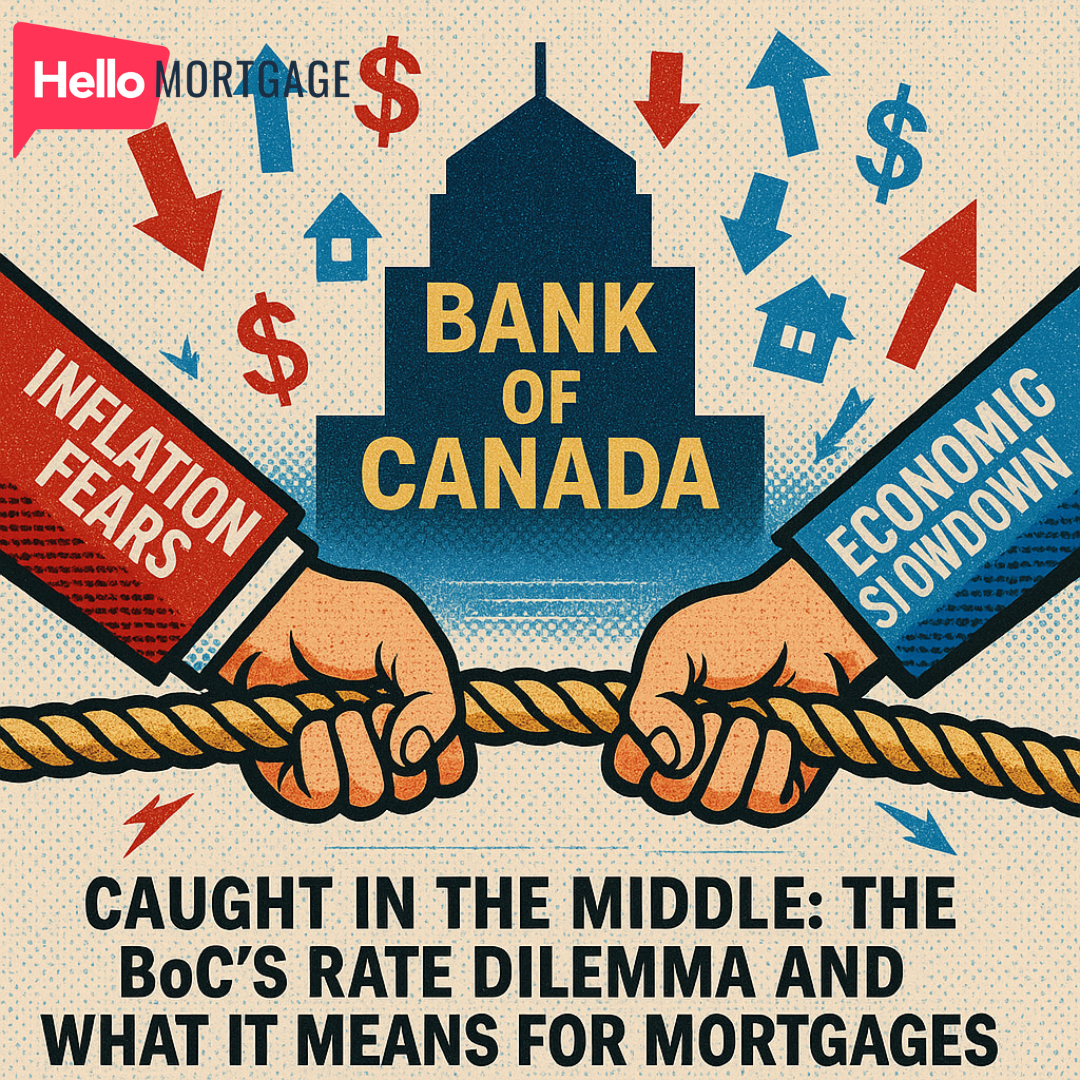
The Bank of Canada's latest decision raised eyebrows—not because of what they did, but because of what they didn't do.
Economists expected the Bank to hold rates steady, and it did. But the deeper question is whether standing still was actually the right call. Based on the data, the answer looks like no.
Here's the twist: even though the Bank didn't hike rates, financial conditions are tightening across Canada anyway. Fixed mortgage rates—which follow Government of Canada bond yields—have been quietly climbing, pulled higher by rising U.S. Treasury yields. In other words, the market is doing the tightening for them.
Variable rates stayed put last week. But don't get comfortable—expectations are still building for cuts later this year, depending on how quickly the economy softens.
The Case for a Cut That Didn't Happen
The Bank of Canada admitted that Canada's economy is slowing. Business investment is tapering off, housing activity has cooled sharply, and consumer confidence has dropped. Employment is softening too, with the national unemployment rate ticking up to 7%.
By many measures, that's the recipe for a rate cut.
But inflation—or more specifically, a sudden uptick in some of the Bank's closely watched core inflation measures—spooked policymakers enough to hold steady. They're clearly wary of misjudging inflation again after the post-pandemic surge.
Still, much of that inflation bump appears tariff-related. With new trade tensions escalating, both the U.S. and Canadian governments have slapped higher import duties on steel, aluminum, and other goods. Historically, only a fraction of those costs reach consumers. The rest get absorbed by suppliers or cut into business profits.
And here's the thing: today's consumers are already stretched. We've seen rising debt levels, increasing delinquency rates, and cautious spending habits across the board. That's hardly an environment where businesses can easily pass price hikes along. So while tariffs may inflate input costs, the broader economy isn't primed for another inflation run-up.
Yet with the BoC standing firm, and fixed rates edging up due to market forces, you're facing tougher affordability conditions—even without a formal policy hike.
What This Means for Your Mortgage
If you're coming up for renewal: keep a close eye on fixed versus variable pricing. If you're mid-renewal window, it's a great time to review your strategy—especially as markets remain volatile. A number of lenders are offering promotional variable rates again, and if you think cuts are still coming (as many do), there may be savings to capture.
If you're buying: the window to act before rates ease might be shorter than you think—but don't let rate watching cause analysis paralysis. What matters most is locking in financing that works for your budget today, with flexibility for tomorrow.
If you're eyeing the market: real estate has cooled in many major cities—notably due to rate-driven affordability pressure—but inventory is still tight in Alberta and parts of the Prairies. Expect renewed heat once cuts resume and buyers rush back. Timing will be critical this summer.
This Week's Tip
Don't judge the market by headlines—judge it by your numbers. Whether buying or renewing, always run the full math on monthly payments, not just advertised rates. That clarity can be the difference between a confident decision and costly hesitation.
Markets may move in cycles, but the smartest move is always the one that fits your goals today.
I'm an independent full-time mortgage broker and industry insider who helps Albertans from all corners of the province. If you're purchasing, refinancing, or renewing your mortgage, [contact me](mailto:matt@hellomortgage.ca) or apply for a Mortgage Check-up to get the best available rates and terms.