The extra cash your lender wants to see
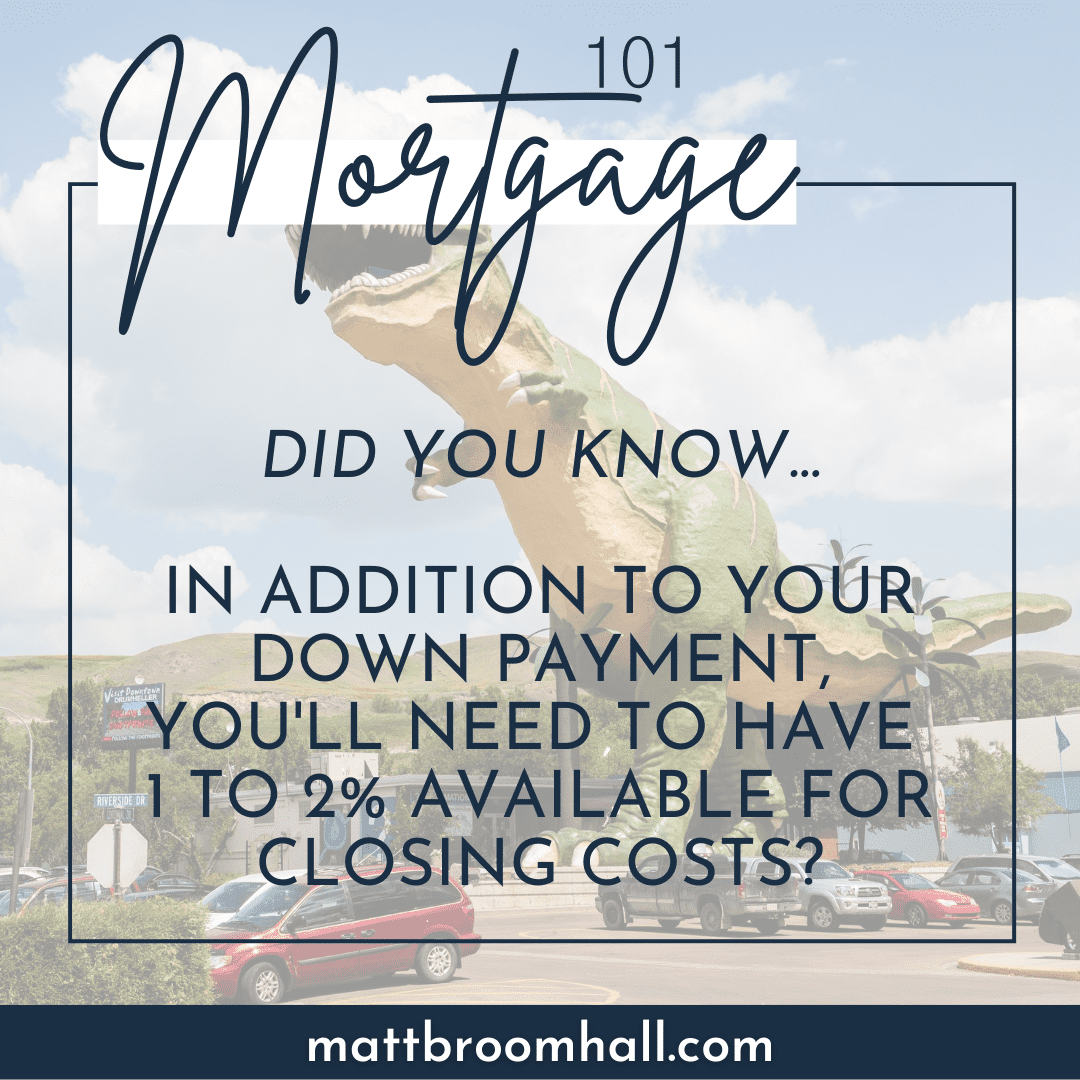
When you're buying a home, your mortgage lender will require you to have 1% to 1.5% of the purchase price sitting in your bank account — on top of your down payment. That's not a nice-to-have. It's a condition of approval.
This money covers closing costs: the fees and adjustments that land between 'offer accepted' and 'keys in hand.' Your lender checks that you can handle them without draining your account to zero the day you take possession.
What closing costs include
Legal fees run roughly $1,400 to $1,600. Your lawyer handles the title transfer, mortgage registration, and makes sure no liens surprise you at the finish line.
Property tax adjustment means you reimburse the seller for their portion of the year's property taxes. If they've already paid the full year and you're taking over in June, you owe them half.
Appraisals aren't always required, but if your lender orders one (common on rural properties or refinances), expect a few hundred dollars.
Home inspection is optional but wise — usually $400 to $600. You want to know what you're buying before the deal firms up.
Moving costs vary wildly depending on whether you're renting a truck or hiring a crew, but they're real and they're due the same week as everything else.
Budget for the little extras, too
Beyond the line items above, don't forget: utility deposits, insurance (due before possession), maybe a Land Transfer Tax rebate form if you're a first-time buyer. None of these are huge on their own, but they add up fast.
The simplest move? Add 2% of your purchase price to your down payment savings target. That gives you breathing room for closing costs and a bit of cushion so you're not ordering pizza on the floor of an empty house because you spent your last dollar on legal fees.