Signals beneath the surface
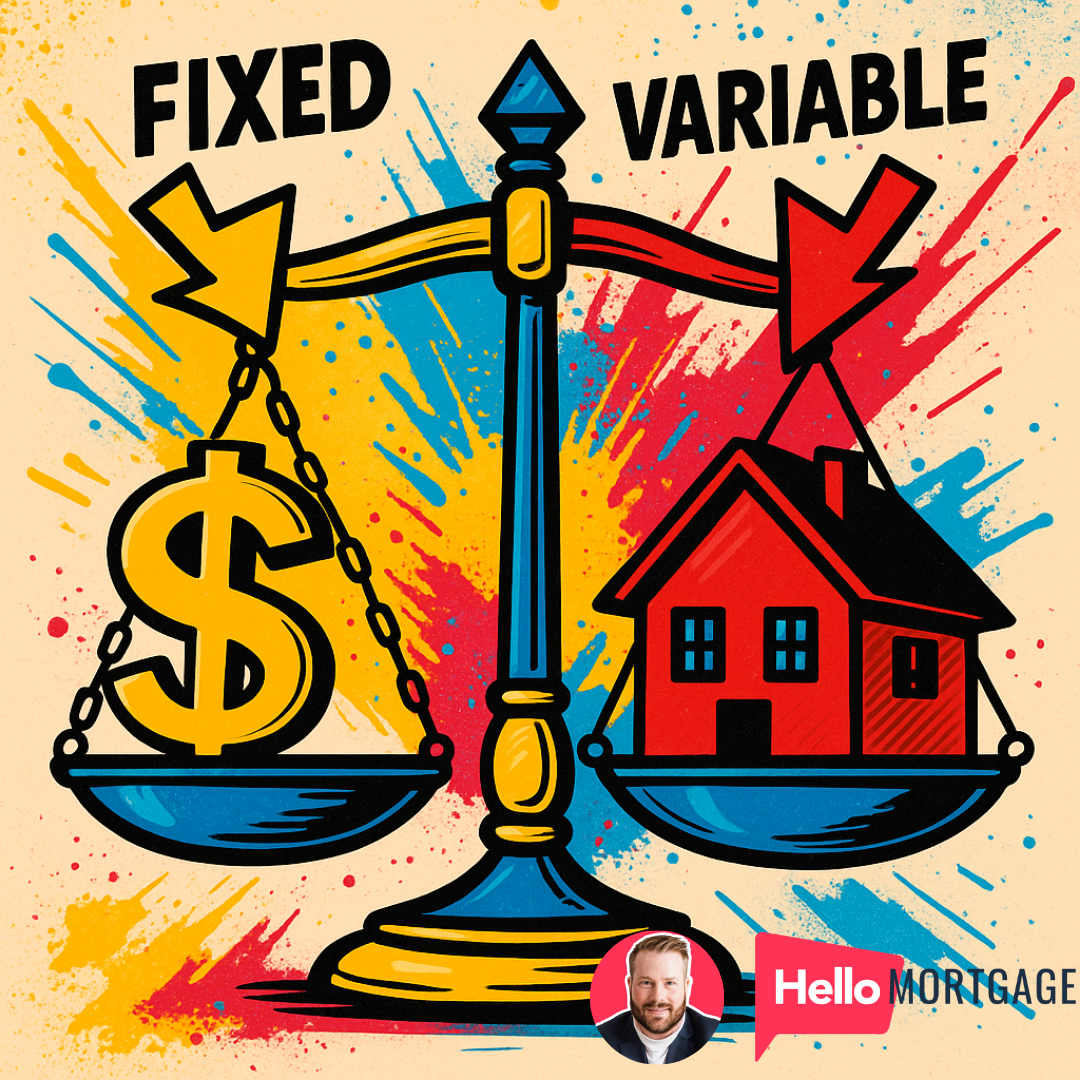
After weeks of quiet slowdowns, something finally shifted—at least in the bond market. The Bank of Canada held its overnight rate steady last week, but deeper forces suggest your fixed mortgage rate options could be turning a corner. As summer slides into fall, you're seeing a mix of softening data, cautious optimism, and a lot of recalculating on both sides of the border.
What the BoC didn't say (and what the Fed did)
Last week's headline may have read 'No Rate Cut,' but don't stop there—movement happened beneath the surface. The BoC held its policy rate steady, yes. But its tone? Far more cautious than it's been in months. Instead of the usual economic forecast, the Bank openly acknowledged uncertainty from unpredictable U.S. trade actions. Translation: flexibility is back in play.
That softer stance stood in contrast to the U.S. Federal Reserve, which also held rates but spoke in more hawkish terms—flagging sticky inflation and a still-solid jobs market. That matters, because Canada often takes cues from our southern neighbour.
Then the U.S. jobs report landed
Last Friday, a surprise ripple ran through both countries. The U.S. jobs report came in well below expectations. Not only were July job gains weak—just 77,000 new positions—but past months were also revised downward dramatically. You'd have to go back to 1979 to find a bigger non-COVID revision drop like that. In short, the U.S. labour market may not be nearly as strong as it seemed.
Market reaction was swift. Bond yields, especially in the U.S., dropped sharply—which dragged Canadian Government of Canada bond yields down with them. Since your fixed mortgage rates are priced off those yields, this could mean some modest relief ahead—assuming the trend holds.
What this means for your fixed rate
Here in Canada, most lenders had recently been inching up fixed mortgage rates due to prior bond market pressure. But they may soon need to change course. If GoC yields stabilize at their lower levels this week, expect lenders to at least stall those hikes—and in some cases, begin trimming fixed rates again.
Variable rates are still waiting
Your variable-rate options, unfortunately, are still in a holding pattern. Market odds of a BoC cut at its next meeting (September 17) remain slim—just 15%. And discounts have narrowed for uninsured borrowers, which slightly dampens the variable-value case right now. That said, the BoC's dovish tone opens the door wider for cuts later this year—especially if inflation trends cooperate.
Choosing your term
Three- and five-year fixed rates are currently priced quite close together. When that happens, it usually makes sense to go with the five-year—better long-term security with relatively little rate premium.
As for variables, the math still suggests they'll likely come out cheaper in the long run. But if you choose one, go in with eyes wide open. They're not for the risk-averse or cash-flow-tight. Your rate could dip or spike with little notice. So make sure there's room in your budget and your mindset for short-term surprises.
What this means for you
For homebuyers: it's still a good time to get pre-approved—and to lock in a rate hold if you're watching market movement. Even if fixed rates shift lower, having today's rates in your pocket gives you options.
For homeowners: if you're renewing this year, you may finally catch a bit of a break. Fixed rates could ease, and variable trackers could become more attractive if the BoC is indeed gearing up for future cuts. Either way, get your mortgage strategy aligned early—we're helping lots of clients build flexibility into their next term.
Tip of the week: don't get tripped up at closing
Too many buyers plan for their down payment but forget about closing costs—those sneaky extras like legal fees, appraisal costs, and title fees. The totals can range from 1.5% to 3% of your purchase price. The earlier you budget for them, the smoother your homebuying journey will be.