What this week means for your mortgage
This week brought signs that could mark a real turning point if you own a home or you're trying to buy one. Fixed and variable mortgage rates stayed put, but the Bank of Canada dropped an interesting hint: they think inflation may already be lower than it looks.
That changes everything.
Fixed and variable rates both held steady
Fixed mortgage rates stayed flat last week. Bond yields drifted in a narrow range and lenders didn't make any major moves, so if you're shopping around, three- and five-year fixed terms are still widely available at appealing levels — especially if you want the certainty.
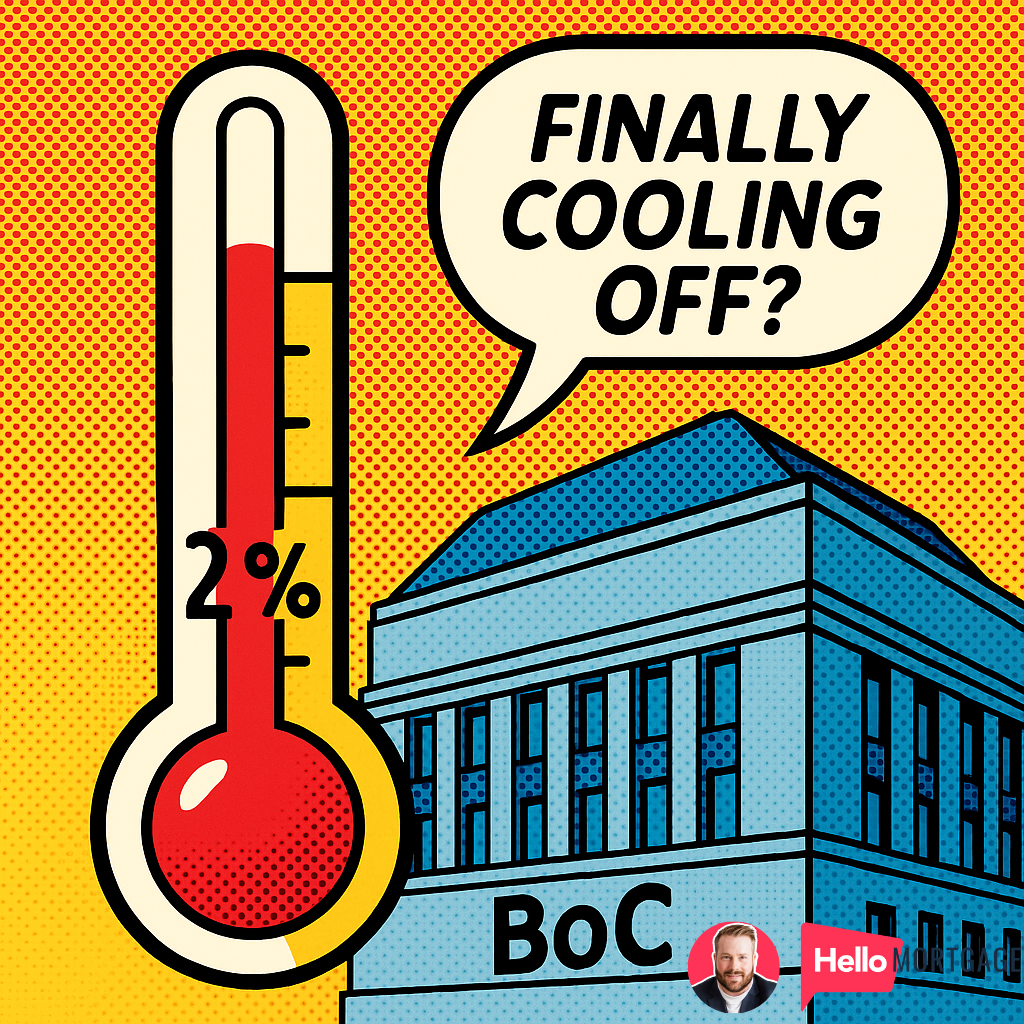
Variable rate discounts also held steady, though speculation remains high that more cuts are coming. The Bank of Canada's overnight rate still sits at 2.50%. Historically, that rate hasn't begun to meaningfully boost borrowing and housing demand until it dips to around 2% or lower. All signs right now suggest we're heading that way.
The inflation disconnect
How do we know? Enter: inflation.
In a speech last week, Bank of Canada Deputy Governor Rhys Mendes flagged a disconnect between how bond markets are reading inflation and how the central bank sees it. While typical core inflation measures suggest we're sitting around 3%, Mendes says the Bank's own internal estimate is closer to 2.5% — and trending lower.
That's getting awfully close to their 2% target, and it means the Bank of Canada may feel more confident cutting rates if economic weakness mounts. That's especially relevant as economic indicators — such as job growth — continue to soften on both sides of the Canada–U.S. border.
Plus, a temporary U.S. government shutdown is cutting off access to new American data. That unpredictability could cause market volatility and push investors even more toward rate-cut expectations.
Tip of the week
First-time buyers: don't focus on how much you can borrow. Focus on how much you can realistically afford each month — without stretching your lifestyle too thin. Your pre-approval gives you a 'max' number, but that doesn't mean it's your ideal number or the amount you should actually spend.
This post shows you How to Create a Budget That Works and includes a free budgeting worksheet.