The down payment wall—and one way through it
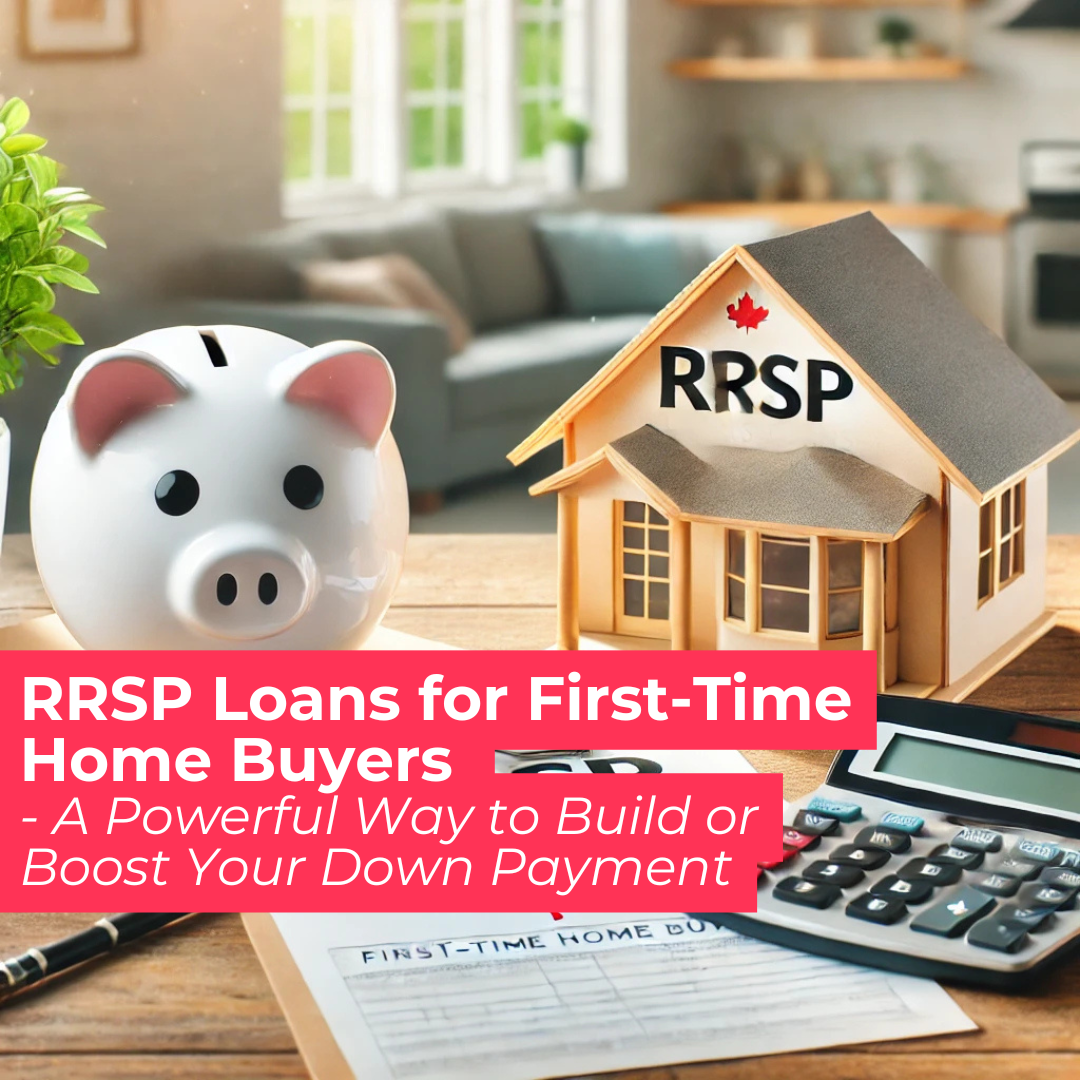
For most first-time buyers, the biggest roadblock is the down payment. You might have nothing saved, or you're halfway there but the gap still feels huge. An RRSP loan is a financial tool that can help you close that gap—or even build your down payment from zero.
Here's how it works, when it makes sense, and what you need to watch out for.
What an RRSP loan actually is
An RRSP loan is a personal loan from a bank or credit union that you use to make a contribution to your Registered Retirement Savings Plan (RRSP). For first-time buyers, the magic comes from pairing it with the Home Buyers' Plan (HBP)—a federal program that lets you pull money out of your RRSP tax-free to use as a down payment.
Why you'd consider borrowing to save
Starting from zero: If you have no down payment saved, an RRSP loan can create one by using the tax deduction and the Home Buyers' Plan together.
Boost what you've got: Already saved some? An RRSP loan can top you up to the maximum withdrawal limit under the HBP.
Tax refund upfront: Contributions to your RRSP reduce your taxable income, which usually means a refund you can use to pay down the loan or cover closing costs.
Stack it with other sources: Funds you withdraw through the HBP can sit alongside money from a First Home Savings Account (FHSA) or a gift from family.
How the whole thing works, step by step
Step 1: Apply for an RRSP loan. Visit a bank or credit union that offers them. You'll apply for an amount that fits your budget, and they'll look at your credit and income. Repayment terms usually run six months to a few years.
Step 2: Put the loan into your RRSP. Once approved, deposit the money into your RRSP account. This is what unlocks the tax deduction and makes you eligible for the Home Buyers' Plan. If you're starting with nothing, this borrowed amount becomes the foundation of your down payment.
Step 3: Claim the tax deduction. RRSP contributions lower your taxable income for that year, which often triggers a refund. You can use that refund to pay down the loan or cover other buying costs.
Step 4: Withdraw through the Home Buyers' Plan. After the money has been in your RRSP for at least 90 days, you can pull out up to $60,000 tax-free (as of 2024) under the HBP. If you're buying with a partner, you can each withdraw up to $60,000—so $120,000 combined. The money has to go toward a qualifying home purchase.
Step 5: Repay the loan. You'll repay the RRSP loan on the schedule you agreed to with the lender. The tax refund and the savings you've built often make repayment easier to manage.
When this strategy makes sense
If you have no savings: An RRSP loan can be a game-changer when you're starting from scratch. It lets you create a down payment quickly while benefiting from the tax deduction. This works especially well if you have steady income but haven't had time to save.
If you have some savings but need more: For buyers who are partway there, an RRSP loan can help you max out your contribution and take full advantage of the HBP's tax-free withdrawal limits.
To layer with other tools: An RRSP loan plays nicely with other down payment sources, like a First Home Savings Account (FHSA) or gifted funds from family.
The upside and what to watch
The upside: You can build or boost your down payment fast—whether you're starting from zero or adding to what you've saved. The tax deduction gives you immediate relief through a refund. A bigger down payment lowers your mortgage amount and can even help you avoid mortgage default insurance if you hit 20% down.
What to watch: You'll need to repay both the RRSP loan and the money you withdrew under the HBP over time (the HBP gives you up to 15 years, but the loan repayment is shorter). Interest on the RRSP loan isn't tax-deductible, though rates are usually competitive. And make sure the RRSP funds sit in your account for at least 90 days before you use them under the HBP.
A few things to keep in mind
Know what you can carry: Only borrow what you can comfortably repay, and make sure the loan fits your overall financial picture.
Combine strategies: Pair your RRSP loan with other savings tools like the FHSA to build the biggest down payment you can.
Work with someone who knows the angles: A mortgage broker or financial advisor can help you figure out whether this strategy fits into your broader plan—and how to structure it so it works in your favour.
What to do next
An RRSP loan isn't just about topping up savings—it's about creating options when you don't have them. Whether you're starting with nothing or looking to add to what you've got, this approach can help you make full use of the Home Buyers' Plan and get closer to your first home.
If you're thinking about an RRSP loan or want to talk through how it fits into your plan, reach out. We'll walk you through the process and help you decide if it's the right move for where you are right now.