The Strategy in a Nutshell
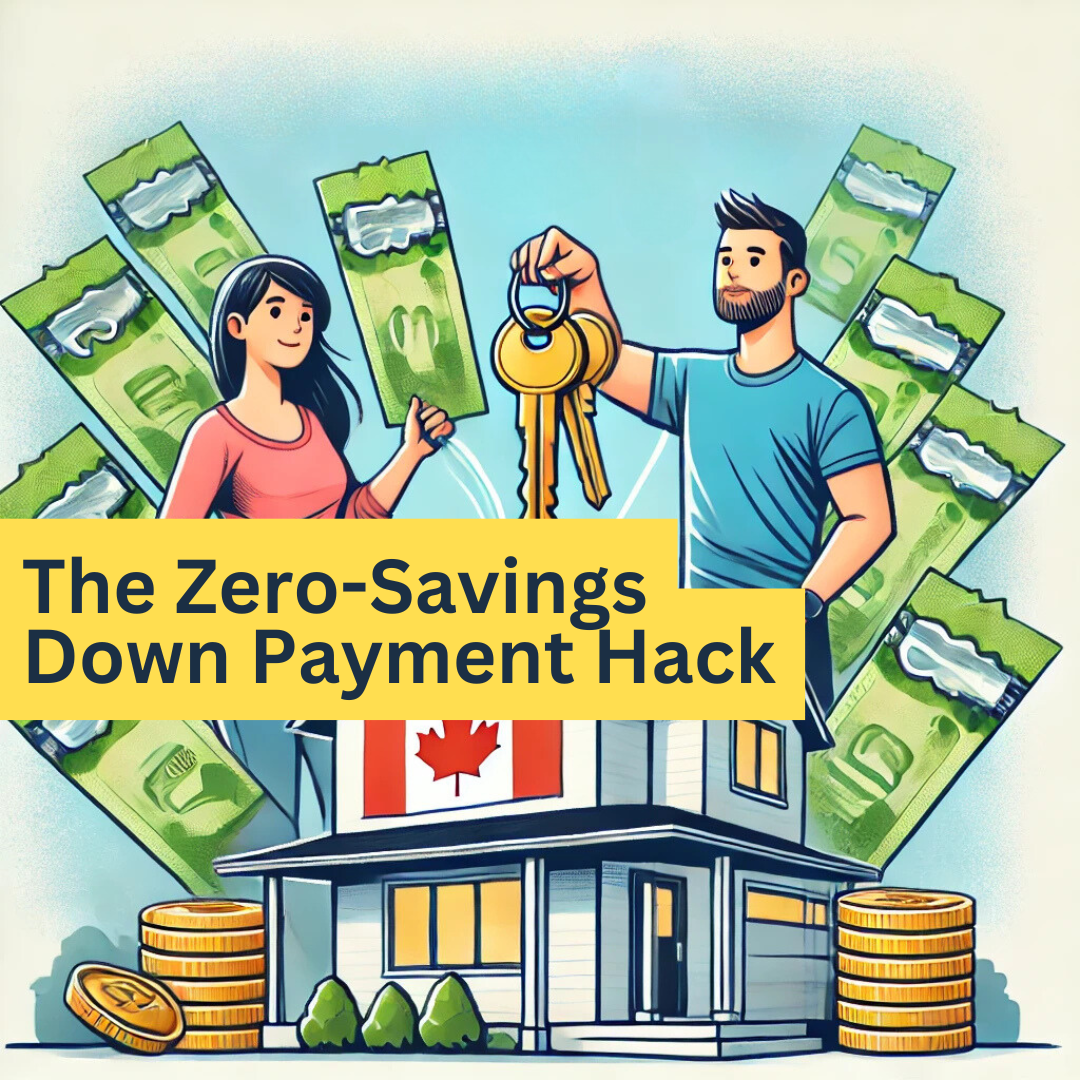
Ready to buy your first home but don't have a down payment sitting in your account? There's a workaround. It involves borrowing the money, parking it in an RRSP (Registered Retirement Savings Plan), and then pulling it back out under the Home Buyers' Plan. It sounds a bit circular, but the rules make it work — and you might even get a tax refund in the process.
Step 1: Borrow the Down Payment
First, you borrow the amount you need for your down payment. This could be a personal loan, a line of credit, or any other option you qualify for.
Before you do this, get a mortgage pre-approval. The loan you're about to take on will show up as debt, and you need to be sure you can still qualify for a mortgage with those extra payments on your record.
Step 2: Put the Money into an RRSP
Once you've got the loan, open an RRSP account if you don't already have one. Deposit the full down payment amount into it.
Why an RRSP? Because every dollar you contribute lowers your taxable income for the year. That means a tax refund when you file — we'll circle back to that.
Step 3: Wait 90 Days
Before you can use the money under the Home Buyers' Plan, it has to sit in your RRSP for at least 90 days. This is a legal requirement under FINTRAC (the Financial Transactions and Reports Analysis Centre of Canada). The funds need to 'vest' — basically, they need to age a bit before you can pull them out.
Step 4: Withdraw Under the Home Buyers' Plan
Once the 90 days are up and you're ready to buy, you can withdraw the money from your RRSP using the Home Buyers' Plan. The plan lets you take out up to $60,000 without paying tax on it, as long as you're using it for your first home's down payment.
Step 5: Use Your Tax Refund to Pay Down the Loan
Here's the bonus: that RRSP contribution you made will likely generate a tax refund when you file. Depending on your income, it could be a decent amount.
You can use that refund to pay down the loan you took out in the first place. It chips away at the debt and saves you interest down the line.
Pre-Approval First — Seriously
Before you borrow a cent, get a pre-approval from a mortgage professional. The pre-approval will confirm you can still qualify for a mortgage once the loan payments are factored in. Skip this step and you risk ending up with a down payment you can't actually use.
Why This Works
This strategy lets you buy a home even if you haven't saved up the down payment yet. You borrow the money, get a tax break for putting it in an RRSP, and then withdraw it tax-free under the Home Buyers' Plan when you're ready to close.
The tax refund helps you pay down the loan, so you're not carrying that debt any longer than you have to. It's one of the more creative ways to clear the down payment hurdle — especially if saving up would take you years.