Inflation's cooling. Your mortgage rate isn't. Here's why.
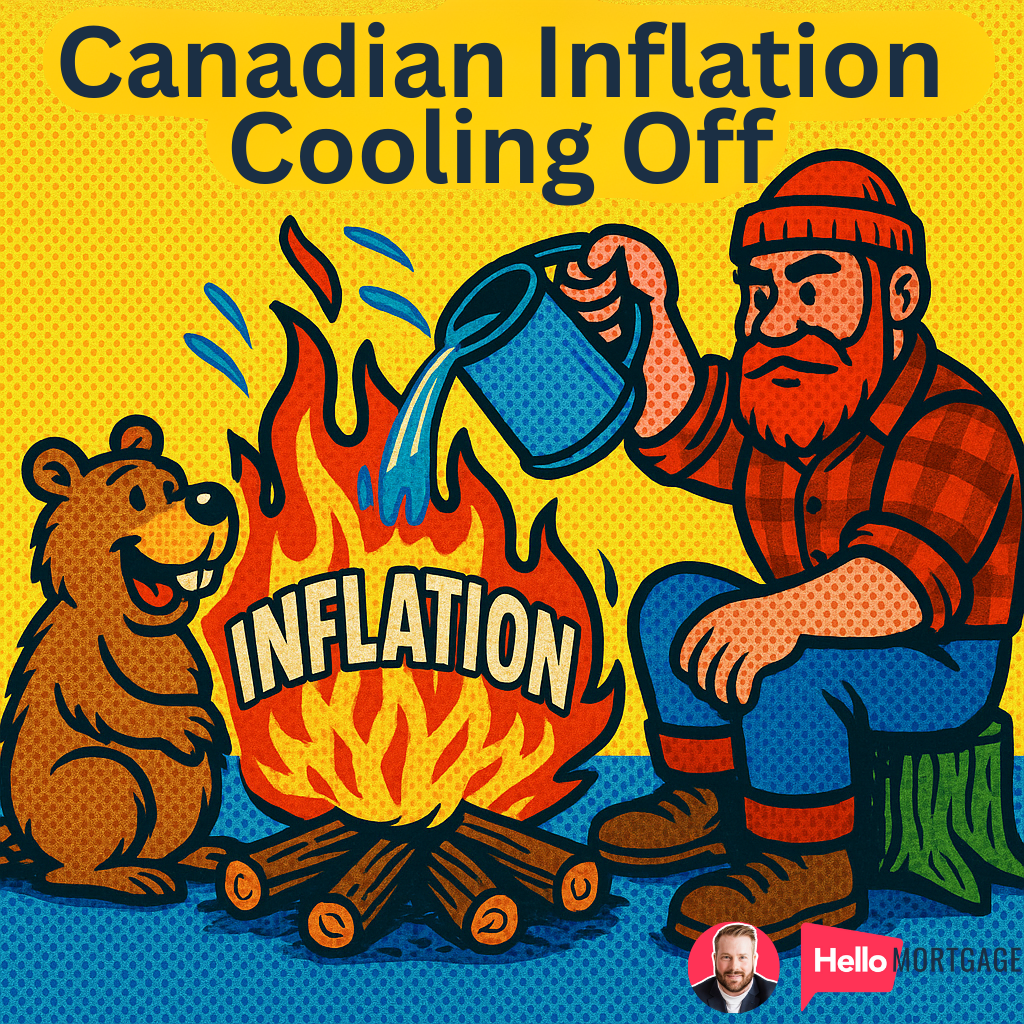
We're seeing a shift in the wind — and it's starting to smell like rate relief. Canada's latest inflation numbers are in, and for the second month in a row, price growth has cooled slightly more than expected. In July, consumer price index (CPI) inflation slowed to 1.7% year-over-year, down from 1.9% in June, tipping just below economists' forecasts. Core inflation gauges — the ones the Bank of Canada (BoC) watches most closely — also eased. That's notable, and it's making the conversation around upcoming rate cuts grow louder.
But here's the twist: your mortgage rate hasn't budged. Let's dig into why that is — and what it means for your strategy.
Why bond markets haven't moved — yet
Fixed mortgage rates are based on Government of Canada bond yields, and while those yields did dip slightly late last week, the move wasn't strong enough to shift lender pricing. Bond markets took some cues from the U.S., after Fed chair Jerome Powell made dovish comments at the Jackson Hole symposium, hinting that rate cuts may be coming south of the border. But even there, caution lingers.
Here in Canada, markets are pricing in about a 40% chance of a BoC rate cut at their next meeting on September 17. That means while a cut is certainly possible, it's still far from a done deal.
The reality? Bond traders and lenders remain more reactive to bad news than good, and are waiting for more consistent signs that inflation is sinking to sustainable levels. For now, that means fixed mortgage rates remain steady, with an upward bias still in play. Variable-rate discounts haven't changed either.
What this means for your mortgage strategy
Fixed rates are no longer unusually high. In fact, they're pretty close to long-term averages — especially on three- and five-year terms. If you're comparing between the two and the pricing is similar, the five-year option may offer better value and longer peace of mind.
Variable rates still have long-term potential. If you're flexible and financially resilient, variable-rate mortgages continue to offer the potential for lower total interest costs over time — but only if you can weather some short-term bumps. A rate cut could come later this fall or winter, but don't bank your budget on it just yet.
Buying your first home? In hotter markets like the GTA and parts of Alberta, activity is picking up again as first-timers jump off the fence. Pre-approval is key, but equally important is going into the market with a clear game plan and a solid understanding of your total cost of ownership.
What's next
While a Bank of Canada rate cut could happen as early as mid-September, it's more likely we'll see slower, more measured moves into the fall and winter. The Bank is in watch-and-wait mode — balancing inflation targets with signs that the job market and economic growth are softening.
If economic drag continues and inflation keeps easing, that gives the BoC more freedom to shift towards a growth-supporting stance — code for lower interest rates. Until then, stay nimble and keep your strategies grounded in today's reality, not just tomorrow's hopes.
Tip of the week
Getting close to your renewal date? Don't wait for your lender's letter in the mail. Connect with a broker 90–120 days out to explore all your competitive options. Many lenders will hold current rates for four months — giving you more flexibility, potentially better pricing, and way less pressure.