Warning lights on the dashboard
The Canadian economy is flashing some warning lights—contracting GDP, shaky jobs numbers, sinking exports—all of which are fueling fresh speculation that the Bank of Canada may be closer to cutting policy rates again. For you as a homeowner or buyer, this is where the rubber hits the road: your mortgage options, your renewal timing, and even your payment strategy may look a little different as markets process these shifts. Let's unpack what's happening and why it matters for your mortgage decisions this fall.
The numbers tell a wobbly story
Recent data confirmed what many suspected: Canada's economic momentum is sputtering. Stats Canada's latest payroll survey revealed 32,500 jobs lost in June—casting serious doubt on earlier reports that suggested surprisingly strong job growth. Add to that a 1.6% contraction in GDP through Q2 (mainly dragged down by a staggering 27% drop in exports), and the 'soft landing' story suddenly looks wobbly.
Consumer spending did climb in Q2, but with wage growth cooling and confidence sliding, that resilience may not last. For the mortgage world, this mix has one key implication: the pressure is back on the Bank of Canada to provide relief.
And markets are taking note. Odds of a September 17th BoC rate cut have jumped from 35% to 55% as investors position for softer policy. That doesn't guarantee a cut—but it does mean the conversation has changed.
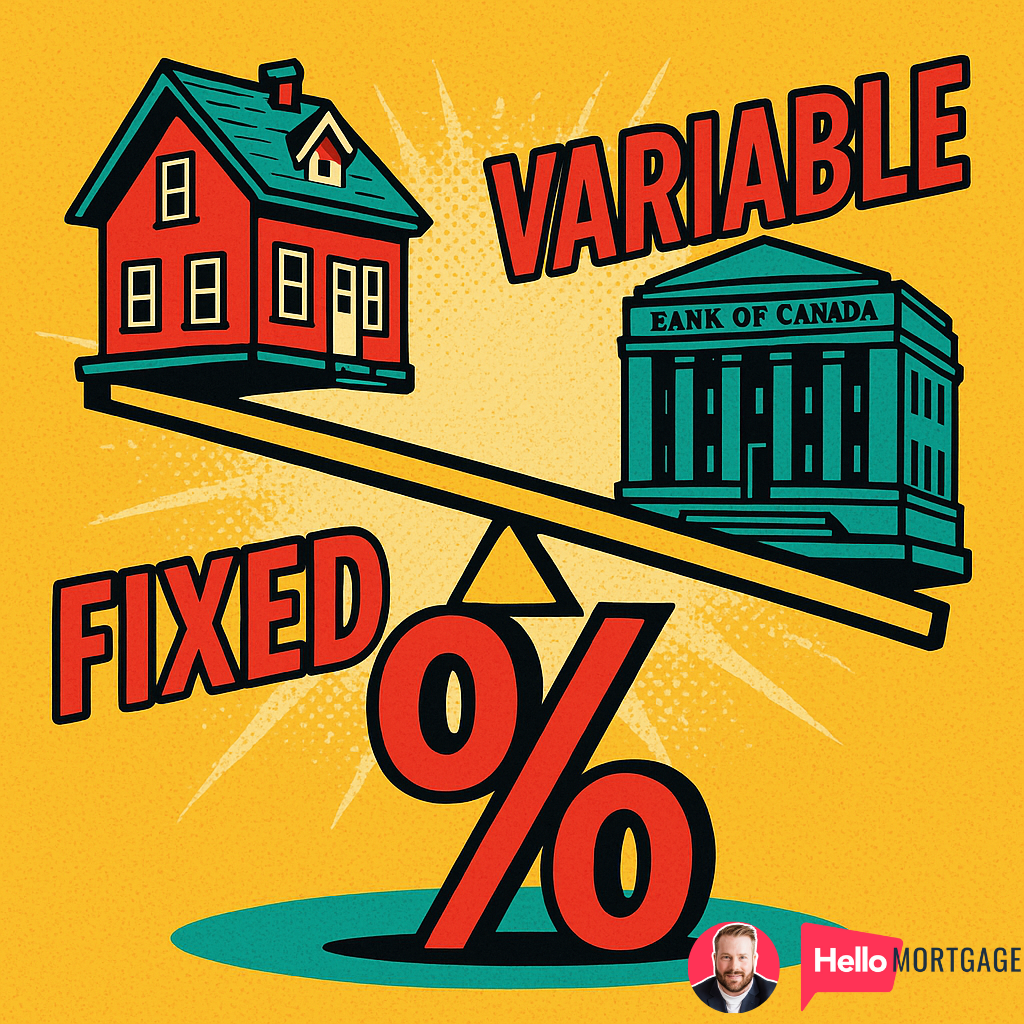
What it means for fixed and variable rates
Meanwhile, bond yields (the main driver of fixed mortgage rates) barely budged after the weak GDP print. This signals that while fixed rates remain stable for now, the path of least resistance still leans upward unless economic weakness deepens. In other words: don't expect fixed rates to tumble overnight even as the economy slows.
Variable-rate mortgages, on the other hand, are where the possible BoC action really matters. Today's discounted variable rates already have long-term cost advantages in many cases, but they come with volatility. If the Bank does cut this fall, those holding variables stand to see some relief sooner rather than later. If the Bank holds, you'll need patience and a financial cushion.
Why this matters to you
Renewing soon? Lenders are in the middle of the biggest renewal wave in Canadian history. Many banks will quietly hope you take the 'easy' option and sign the offer they slide over without shopping around. Don't. Even if rates look similar, the fine print and penalty structures can vary enormously between lenders—sometimes saving you thousands in the long run.
Buying this fall? Fixed rates are reasonably stable at the moment, with three- and five-year terms priced competitively. For buyers looking for predictability, locking in at today's levels is a solid move. If rates stay steady, you'll have certainty; if cuts arrive, variable borrowers get the upside, but at the cost of accepting swings in the meantime.
Considering variable? If you can tolerate the bumps, a variable could still deliver the lowest cost over a full term—especially if the Bank of Canada tilts toward rate cuts later this year. But be honest about your risk tolerance and budget flexibility before diving in.
Your move
If your mortgage is up for renewal within the next six to twelve months, start your conversation now. A rate hold can often protect you for up to 120 days, locking in today's terms while giving you the flexibility to adjust if better offers emerge. In a market this uncertain, having options is one of the best financial cushions you can create for yourself.