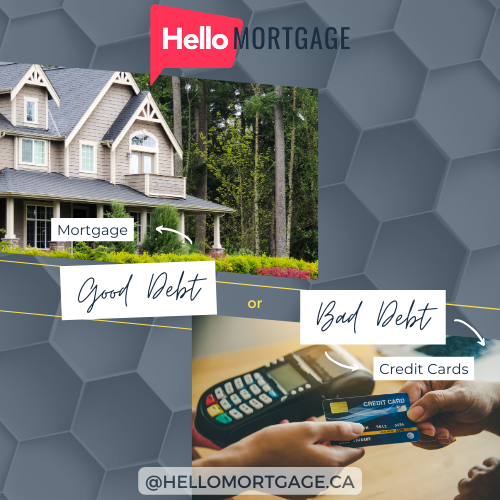
Nobody sets out to carry $60,000 in credit-card, car and line-of-credit debt. It just sort of happens. A slow year, a furnace, a move, a kid in university, a couple of months where the card covered the gap—and one day the minimum payments add up to more than a mortgage payment, and every one of them is mostly interest. If that's where you are, you're not bad with money. You're paying 20% for money, and that's a fixable problem.
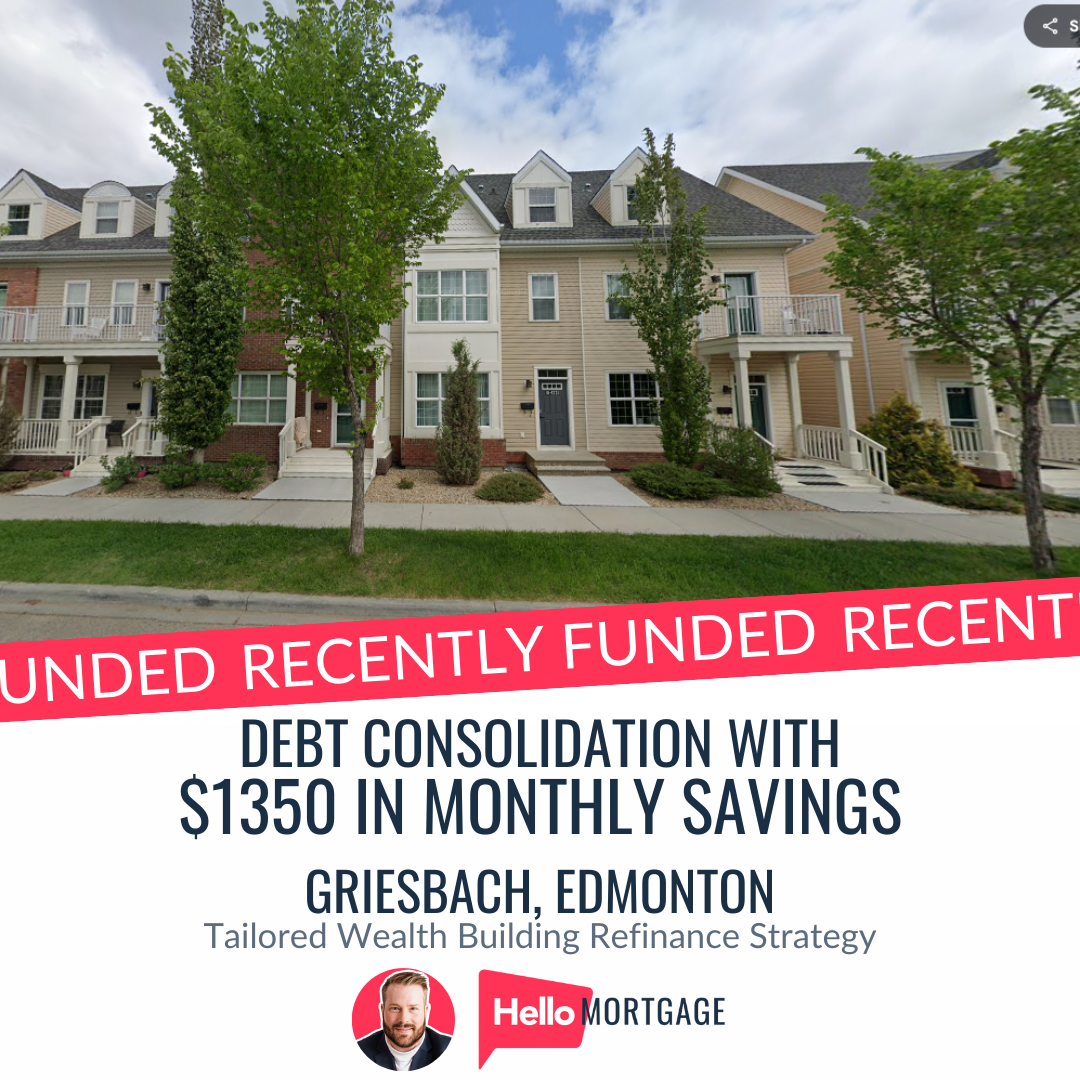
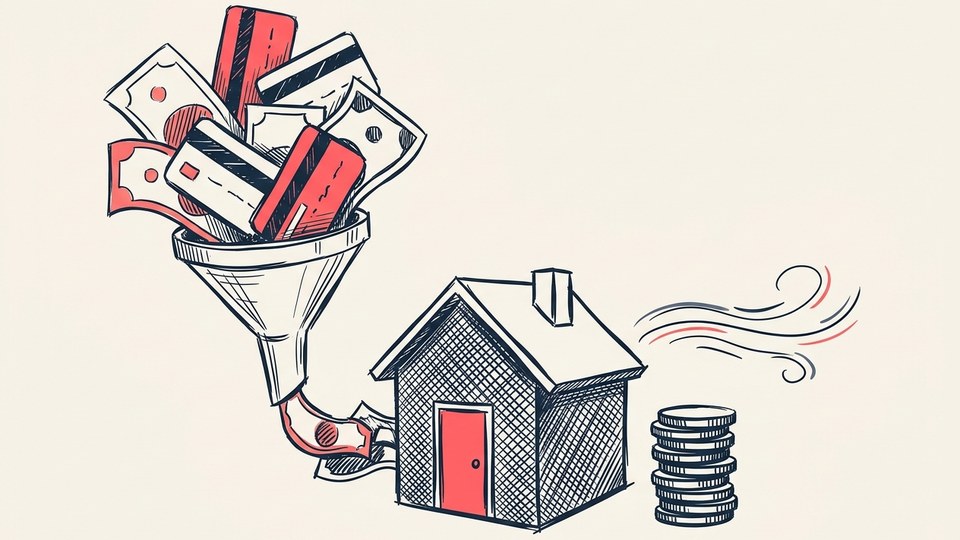
Here's the honest version: if you own a home in Alberta with equity in it, there's usually more than one way to get real monthly breathing room. Rolling high-interest debt into your mortgage can be part of it. Resetting your amortization to lower the payment can be another. Often the strongest answer is a bit of both. The point isn't to shuffle debt around—it's to build a mortgage that actually improves your cash flow this month and still makes sense five years from now.
That's what a Payment Relief Plan is for. It starts with your Payment Relief Blueprint: one page that shows what you're paying now, what your mortgage and debts could look like restructured, and the trade-offs between each option.
Below is everything we'd walk you through on a first call: what a Payment Relief Plan actually is, the math with real numbers, when it's a bad idea (and what to do instead), and what the process looks like from your kitchen table. No mortgage-speak. Promise.